10 Practical Tips to Improve Your Sleep Quality
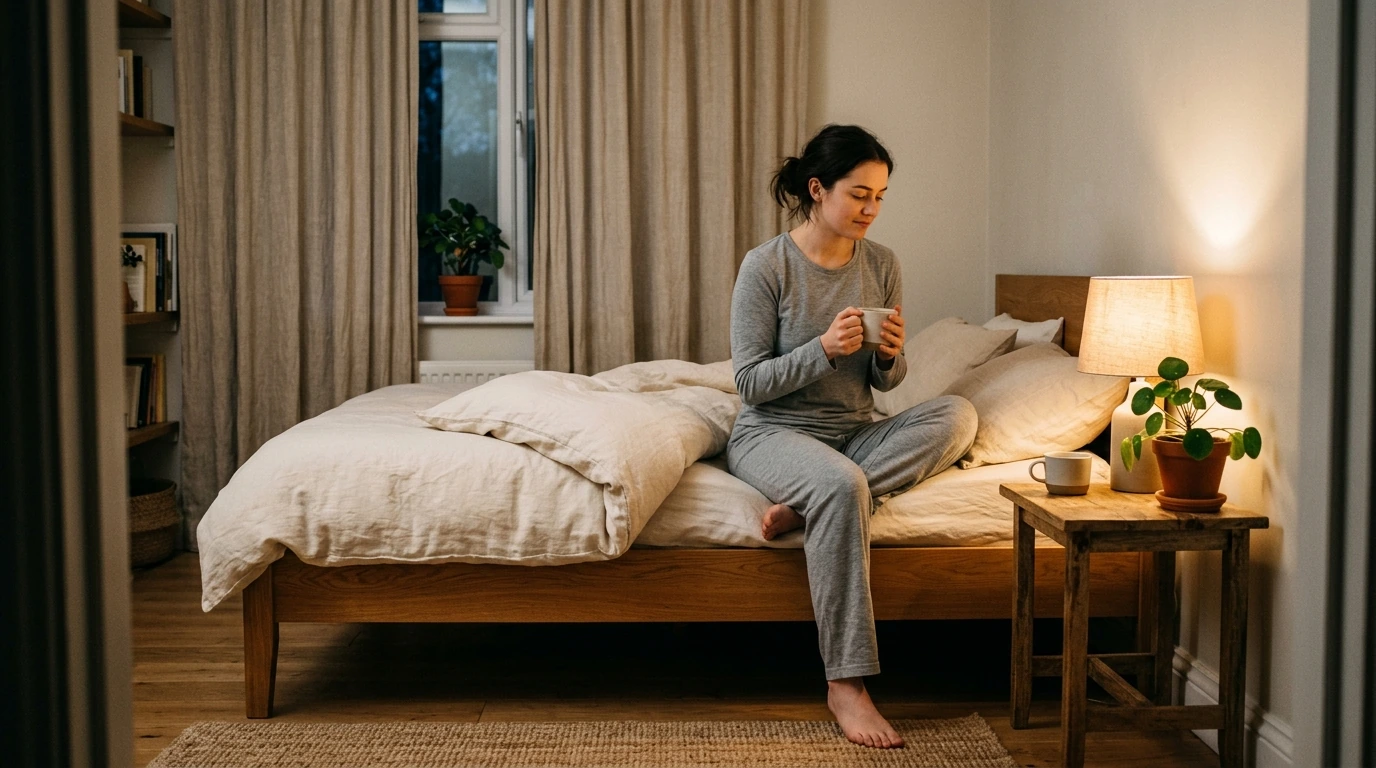
10 Practical Tips to Improve Your Sleep Quality
What can you do during the day for better sleep?
Start with two habits that give your body a dependable schedule. 1. Wake up at the same time every day, including weekends when possible. 2. Get outdoor light soon after waking; a short morning walk also gives you a chance to move. For a simple way to build that routine, use our morning habits for better sleep checklist.

How should you time caffeine, naps, and exercise?
What you do in the afternoon can affect how ready you feel for bed. 3. Stop caffeine early enough for it to wear off before bedtime; if you are sensitive to it, try a caffeine-free afternoon. 4. Keep naps brief and early so they do not replace nighttime sleep. 5. Exercise regularly, but move vigorous workouts earlier if they leave you feeling alert at night.

Featured in this guide
Morning Habits for Better Sleep Checklist | Digital Download | Healthy Sleep Routine, Better Rest, Self Care & Wellness Guide
How can you make your bedroom more restful?
Set up your room to support sleep rather than compete for your attention. 6. Keep it dark, quiet, and comfortably cool; blackout curtains or a sleep mask can reduce light, while earplugs or steady background noise may help with disruptive sounds. 7. Choose a pillow and bedding that feel comfortable in your usual sleep position. Our team recommends adjusting one part of your setup at a time so you can tell what helps you.
What should your bedtime routine include?
Give yourself a predictable transition from the day instead of expecting sleep on demand. 8. Set a consistent bedtime that allows enough time for sleep. 9. Put bright screens away and choose a calming activity, such as reading or gentle stretching, before bed. 10. Limit late alcohol and heavy meals, which can interrupt an otherwise comfortable night. If you regularly cannot fall asleep, wake often, or feel unrefreshed despite making changes, talk with a health care professional.
FAQ
What is the strongest thing to help you sleep?
There is no single solution that works best for everyone. A consistent sleep schedule is a useful place to start; persistent sleep trouble deserves a conversation with a health care professional.
How to get sleepy in 1 minute?
You cannot reliably make yourself sleepy in one minute. You can lower stimulation right away by turning off bright screens and taking a few slow breaths.
See if Morning Habits for Better Sleep Checklist | Digital Download | Healthy Sleep Routine, Better Rest, Self Care & Wellness Guide fits your setup













Leave a comment