Anti-Inflammatory Nutrition for Everyday Wellness
10% off on product page · save $2.11
Anti-Inflammatory Nutrition for Everyday Wellness
What Anti-Inflammatory Eating Looks Like
Inflammation is a normal part of your immune system’s response to injury or infection. Persistent inflammation, however, can be associated with certain health conditions. Food is one part of overall health, but it cannot cure a condition or quickly eliminate inflammation.
An anti-inflammatory eating pattern generally emphasizes vegetables, fruit, whole grains, legumes, nuts, healthy oils, and protein sources that suit your needs. Rather than searching for a miracle ingredient, look at what you eat over time. A bowl of beans and rice with vegetables, for example, can contribute to a balanced routine just as readily as a more elaborate meal.
You do not have to ban every favorite food. Start by adding nourishing options where they fit, whether that means fruit at breakfast or an extra vegetable at dinner. Harvard Health Publishing’s overview of foods and inflammation offers more context on this kind of eating pattern.
Check the product’s listed specifications when evaluating what anti-inflammatory eating looks like.
Everyday Foods and Nutrients to Include
Fiber supports digestive health and is found in foods such as beans, oats, fruit, and vegetables. Omega-3 fats are present in oily fish and some plant foods, while colorful produce supplies a range of plant compounds. These components work within an overall eating pattern; none is a substitute for a varied diet or medical care.
Use these ideas as a starting point, not a required shopping list. Choose foods that fit your dietary needs, preferences, and allergies.
Food Ideas for an Anti-Inflammatory Eating Pattern
| Food | Notable nutrient or component | Simple way to enjoy it |
|---|---|---|
| Berries | Plant compounds and fiber | Add to oatmeal |
| Leafy greens | Vitamins and plant compounds | Toss into a salad |
| Salmon | Omega-3 fats | Serve with vegetables |
| Walnuts | Unsaturated fats | Add to a snack |
| Beans | Fiber and plant protein | Stir into soup |
| Olive oil | Monounsaturated fat | Use in a dressing |
| Oats | Soluble fiber | Make a warm breakfast |
| Tomatoes | Lycopene | Add to a grain bowl |
| Broccoli | Fiber and plant compounds | Roast as a side |
| Plain yogurt | Protein and live cultures in some varieties | Pair with fruit |
Fresh, frozen, and canned foods can all be convenient choices. For instance, frozen berries and canned beans make it easier to assemble a meal when time is short. If you are considering an omega-3 supplement rather than food, the National Center for Complementary and Integrative Health provides information about benefits, limitations, and safety.
Featured in this guide
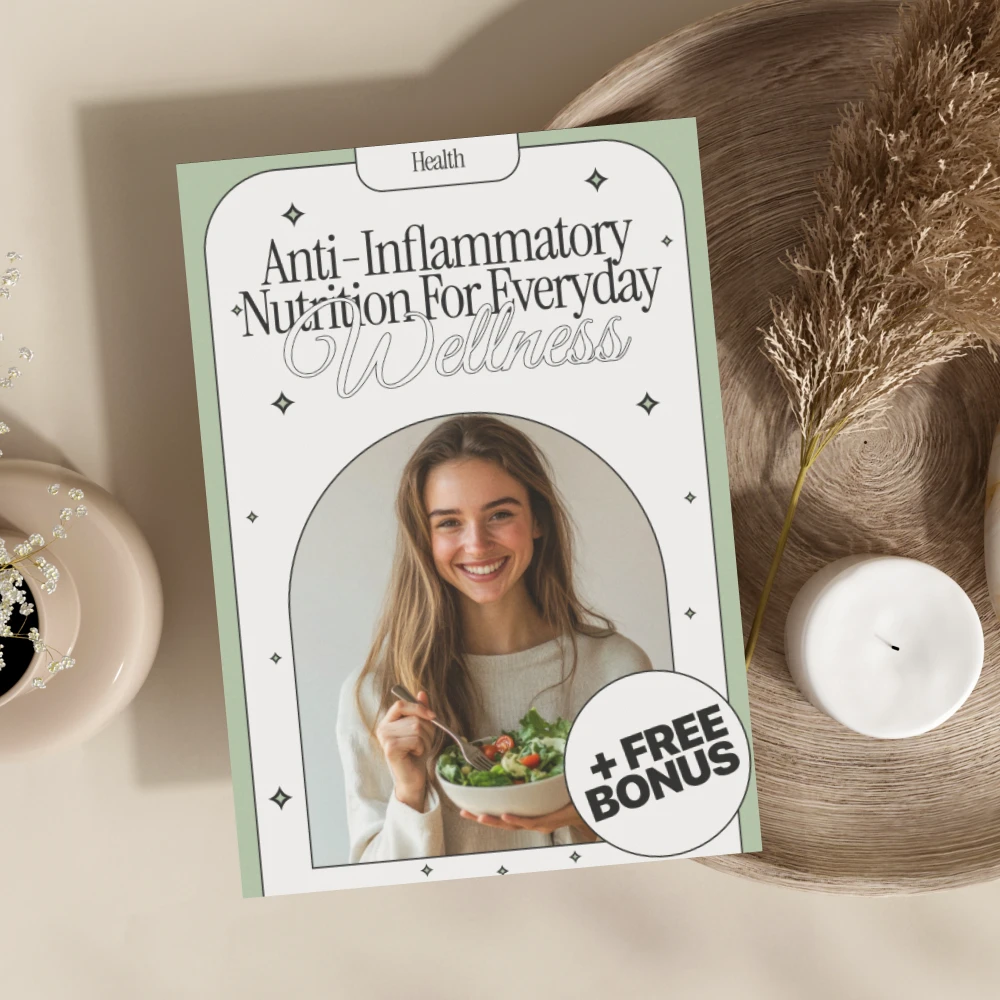
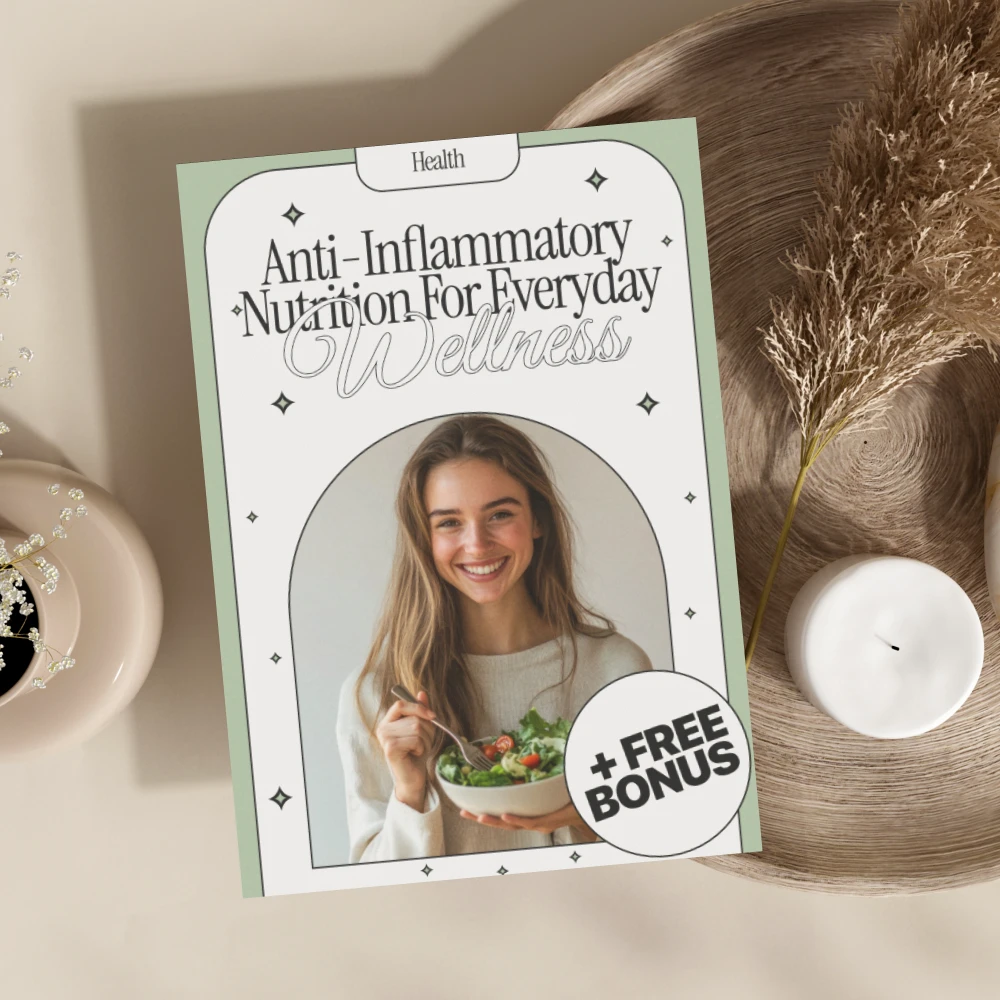
Anti-Inflammatory Nutrition for Everyday Wellness | Holistic Health eBook | Digital Download Guide for Reducing Chronic Inflammation, Healing with Food, and Everyday Wellness
Build a Routine That Fits Your Day
Choose one manageable change to practice this week. Add spinach to a familiar soup, swap a refined grain for a whole grain you enjoy, or keep a convenient protein such as canned beans, eggs, or yogurt on hand. If a food does not suit you, choose another from the same broad category instead of forcing it into your routine.
A sample day might begin with oatmeal and berries. For lunch, combine beans and leafy greens with a grain or tuck them into a wrap. At dinner, serve salmon or another suitable protein with vegetables and a whole grain. Adjust portions and ingredients to your appetite, preferences, and health needs.
Planning for leftovers can make these choices easier on busy days. Cook extra grains for tomorrow’s lunch, or roast enough vegetables to add to a later meal. Our team also recommends considering cost and convenience: a simple meal you can regularly prepare is more useful than an elaborate plan you cannot maintain.
Nutrition is only one piece of wellness. Gradual changes can sit alongside adequate sleep, physical activity that works for you, and medical care when needed. If you have persistent symptoms or a condition that affects your diet, talk with a qualified healthcare professional.
Explore the Anti-Inflammatory Nutrition eBook
For a resource to explore food and everyday wellness, take a look at our Anti-Inflammatory Nutrition for Everyday Wellness eBook . It is not a replacement for individualized medical advice, and no guide can promise instant results.
If grocery costs are part of your planning, our Slash Your Bills household savings checklist is another digital resource to consider.
Compare related options such as Eat Healthy for Lasting Energy | Digital Download Guide for Meal Planning, Healthy Eating, Boosting Energy Levels & AI-Powered Recipes to match features, dimensions, and use case before choosing.
FAQ
What nutrients are anti-inflammatory?
Omega-3 fats and fiber are useful components of an eating pattern associated with supporting health. Plant compounds also play a role, although they are not all nutrients; your overall dietary pattern matters more than any single component.
How to flush inflammation out of your body fast?
There is no proven quick way to flush inflammation out of your body. Focus on sustainable habits and consult a healthcare professional about persistent symptoms or concerns.
What is the strongest anti-inflammatory food you can eat?
No single food is established as the strongest anti-inflammatory choice for everyone. A varied pattern can include berries, leafy greens, beans, and oily fish, according to your needs and preferences.
See if Anti-Inflammatory Nutrition for Everyday Wellness | Holistic Health eBook | Digital Download Guide for Reducing Chronic Inflammation, Healing with Food, and Everyday Wellness fits your setup













Leave a comment