What Is the Safest Sleep Aid for Seniors?
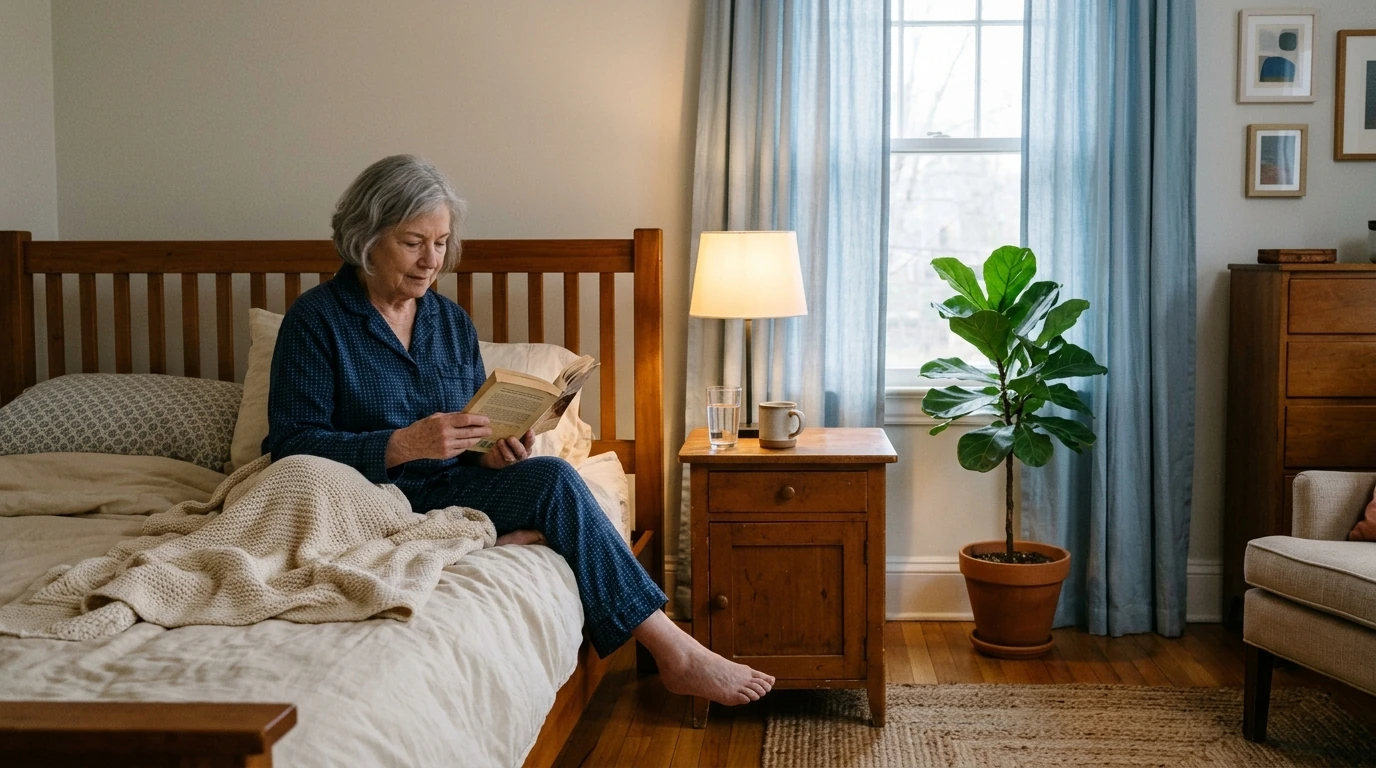
What Is the Safest Sleep Aid for Seniors?
Start With Non-Medication Support
For many seniors, the safest first approach to better sleep is cognitive behavioral therapy for insomnia (CBT-I), a structured treatment that addresses sleep habits and thoughts that can keep you awake without adding medication side effects. Your clinician can help you find CBT-I and check for causes of poor sleep, such as pain, medication effects, frequent nighttime urination, or sleep apnea.

Build a Consistent Routine
Try waking at the same time each day, getting daylight in the morning, and keeping naps short and earlier in the day; these steps can support a more regular sleep schedule without introducing a sedating drug. Our Morning Habits for Better Sleep Checklist is a digital download focused on morning habits and a healthy sleep routine, and it may be useful as you think about your daily schedule.
Featured in this guide
Morning Habits for Better Sleep Checklist | Digital Download | Healthy Sleep Routine, Better Rest, Self Care & Wellness Guide
Be Careful With Sleep Medications
No sleeping medication is safest for every older adult: the right choice depends on your health conditions, other medicines, and risk of falls or confusion. Avoid starting over-the-counter sleep products containing diphenhydramine or doxylamine without medical advice, since these sedating antihistamines can cause confusion, constipation, urinary problems, and falls in older adults.
Check the product’s listed specifications when evaluating be careful with sleep medications.
Discuss Supplements and Persistent Symptoms
Melatonin is sometimes considered for sleep timing problems, but it can still cause side effects or interact with medicines, so ask your clinician or pharmacist whether it fits your situation before taking it regularly. If you snore loudly, gasp during sleep, feel unusually sleepy during the day, or continue to struggle with sleep despite routine changes, tell your clinician rather than simply adding a sleep aid.
Check the product’s listed specifications when evaluating discuss supplements and persistent symptoms.
FAQ
What is the safest sleeping medication for the elderly?
There is no single safest prescription for everyone, and CBT-I is often preferred before medication for ongoing insomnia. If medicine is needed, your clinician can weigh your symptoms, other prescriptions, and fall risk to select an appropriate option and monitor its effects.
What is a safe sleeping aid to take every night?
No sleep aid is automatically safe for nightly use, particularly if you take other medicines or have conditions that affect breathing, balance, or memory. Ask your clinician or pharmacist before taking a nightly product, including melatonin, and discuss a plan for reviewing whether you still need it.
See if Morning Habits for Better Sleep Checklist | Digital Download | Healthy Sleep Routine, Better Rest, Self Care & Wellness Guide fits your setup













Leave a comment