Does Acupuncture Work for Stress? What to Know
Does Acupuncture Work for Stress? What to Know
Can acupuncture help with stress?
Acupuncture can help some people feel calmer, especially when an appointment gives them time to slow down, rest, and notice how their body responds to stress. Your experience may differ from someone else’s, so we suggest thinking of it as one possible part of a stress-management routine rather than a guaranteed fix.
Check the product’s listed specifications when evaluating can acupuncture help with stress.

What might a session be like?
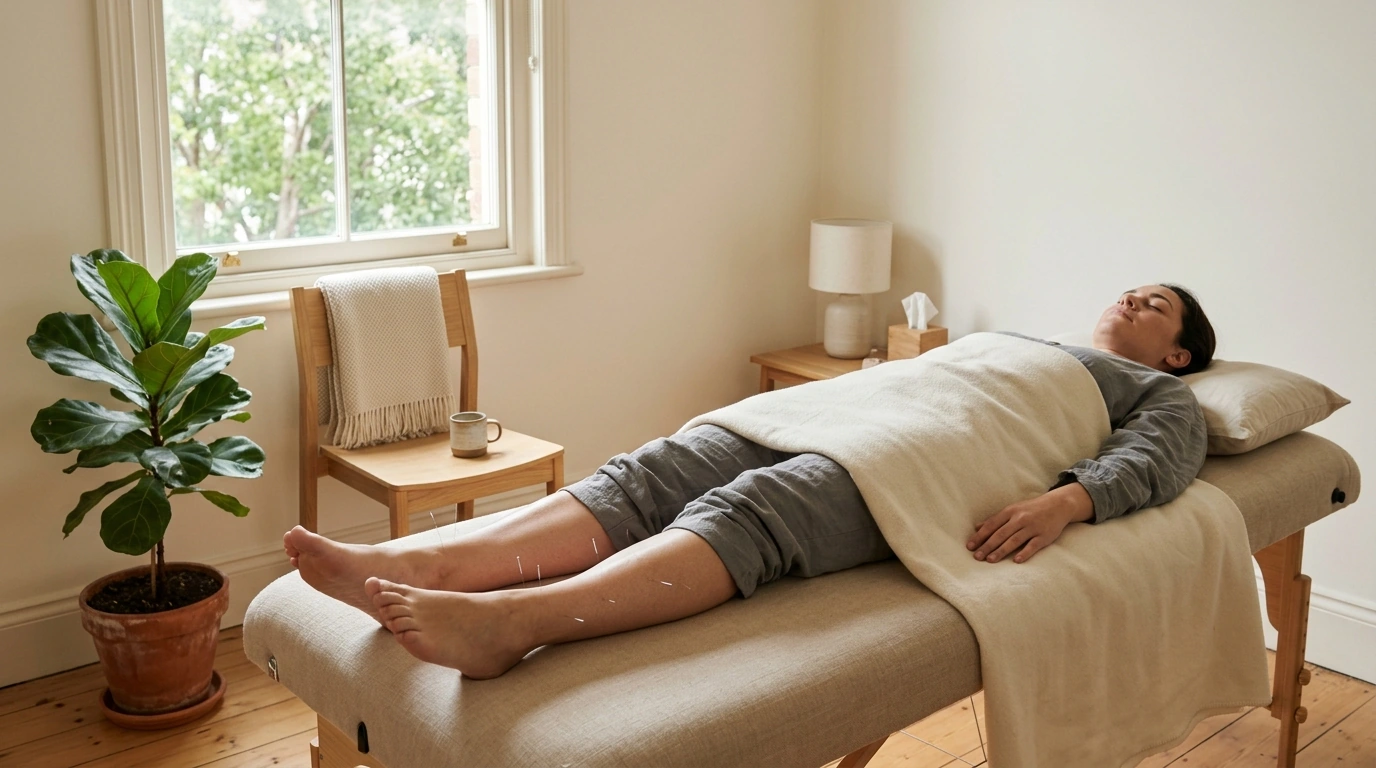
During a session, a trained practitioner places very thin needles at selected points while you sit or lie still, and many people use that quiet time to relax. Tell the practitioner if you feel uneasy about needles, have a health condition, take medication, or are pregnant so they can discuss whether treatment is appropriate for you.

Featured in this guide
Stress Management Acupuncture | Digital Guide for Natural Stress Relief, Nervous System Balance, and Mind-Body Wellness
How can you tell whether it fits your routine?
Before booking, decide what you want help with—such as feeling tense after work or finding it hard to unwind—and ask a licensed practitioner what a visit involves, including needle hygiene and expected costs. After a session, pay attention to practical changes you care about, like how easily you settle down in the evening, without feeling that you must continue if it is uncomfortable or unhelpful.
What else should you do for stress?
We see acupuncture as a complement to basics you can return to regularly, including sleep, movement, meals, social support, and brief breathing or relaxation breaks. If stress is disrupting your daily life or you feel persistently overwhelmed, talk with a health care professional; our Stress Management Acupuncture digital guide can help you explore the topic alongside that care.
Check the product’s listed specifications when evaluating what else should you do for stress.
FAQ
Is acupuncture proven to help stress?
Acupuncture may help some people manage how stress feels, but it is not a guaranteed solution for everyone. We recommend judging it by your own comfort and goals while keeping up with any care your health professional recommends.
What is the difference between anxiety and stress?
Stress is often a response to a specific pressure, such as a deadline, while anxiety can involve worry or fear that continues even when the immediate pressure has passed. If either is persistent or interferes with your life, a health care professional can help you sort out what you are experiencing and what support may help.
See if Stress Management Acupuncture | Digital Guide for Natural Stress Relief, Nervous System Balance, and Mind-Body Wellness fits your setup













Leave a comment